
"sulfur gas"
200 article(s) found

What are the ingredients of coffee beans?
Caffeine is the most eye-catching of all the ingredients of coffee.
SCAA coffee cup testing process
1. Fragrance: the first step in cup evaluation is to evaluate the aroma of coffee beans. Grind 10 grams of coffee, put it in 3-5 sample cups, and then breathe hard at the gas released by the freshly crushed coffee cells. The characteristics of the aroma indicate the essence of the taste of coffee beans: the sweet smell indicates that its taste is sour; the pungent smell indicates that its taste is irritating. The power of aroma

What are the main ingredients of coffee besides caffeine?
Caffeine: caffeine is the best known of all the ingredients in coffee. It is a kind of phytoxanthin (animal muscle component). It has the same properties as theobromine in cocoa and theophylline in green tea, the percentage of reduction after baking is very small, and the effect of caffeine is very extensive. will affect the human brain, heart, blood vessels, gastrointestinal, muscle and kidney and other parts, the right amount of coffee
Six steps of coffee cup evaluation
The six steps of coffee cup evaluation describe the aroma, aroma, taste, smell, aftertaste and mellowness of coffee. 1. Fragrance: the first step in cup evaluation is to evaluate the aroma of coffee beans. Grind 8.25 grams of coffee, put it in 3-5 sample cups, and then breathe hard at the gas released by the freshly crushed coffee cells. The characteristics of the aroma indicate the taste of coffee beans.
Six steps to taste coffee
There are six steps in coffee cup evaluation, describing the aroma, aroma, taste, smell, aftertaste and mellowness of coffee. 1. Fragrance: the first step in cup evaluation is to evaluate the aroma of coffee beans. Grind 10 grams of coffee, put it in 3-5 sample cups, and then breathe hard at the gas released by the freshly crushed coffee cells. The characteristics of the aroma indicate the essence of the taste of coffee beans:

The chemical composition of coffee
Caffeine is the most eye-catching of all the ingredients of coffee. It belongs to plant xanthamins (animal muscle components) and has the same properties as theobromine in cocoa and theophylline in green tea.
Boutique coffee the main ingredients of basic common sense coffee
Caffeine: caffeine is the best known of all the ingredients in coffee. It is a kind of phytoxanthin (animal muscle component). It has the same properties as theobromine in cocoa and theophylline in green tea, the percentage of reduction after baking is very small, and the effect of caffeine is very extensive. will affect the human brain, heart, blood vessels, gastrointestinal, muscle and kidney and other parts, the right amount of coffee

The main ingredient of coffee is caffeine in coffee. What else?
Caffeine: caffeine is the best known of all the ingredients in coffee. It is a kind of phytoxanthin (animal muscle component). It has the same properties as theobromine in cocoa and theophylline in green tea, the percentage of reduction after baking is very small, and the effect of caffeine is very extensive. will affect the human brain, heart, blood vessels, gastrointestinal, muscle and kidney and other parts, the right amount of coffee
What are the ingredients of coffee beans? what plants does coffee belong to?
After extraction, tannic acid will turn into a yellowish powder, which can easily blend into water, and after boiling it will decompose and produce pyrosylic acid, which will make the coffee taste worse, and if it is soaked and left for several hours, the color of the coffee will become thicker than when it was just soaked, and it is also less tasty, so there is a saying that it is best to finish it as soon as possible. The fat contained in coffee, which is extremely important in flavor.
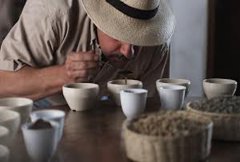
Coffee common sense SCAA coffee cup testing process
1. Fragrance: the first step in cup evaluation is to evaluate the aroma of coffee beans. Grind 10 grams of coffee, put it in 3-5 sample cups, and then breathe hard at the gas released by the freshly crushed coffee cells. The characteristics of the aroma indicate the essence of the taste of coffee beans: the sweet smell indicates that its taste is sour; the pungent smell indicates that its taste is irritating. The power of aroma
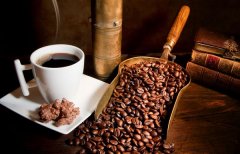
The six steps of coffee tasting: aroma, aroma, taste, smell, aftertaste and mellowness
Coffee tasting has six steps to describe the aroma, aroma, taste, smell, aftertaste and mellowness of coffee. 1. Fragrance: the first step in tasting is to evaluate the aroma of coffee beans. Grind 8.25 grams of coffee, put it in 3-5 sample cups, and then breathe hard at the gas released by the freshly crushed coffee cells. The characteristics of the aroma indicate the taste of coffee beans.

Six steps of coffee cup evaluation
There are six steps in coffee cup evaluation, describing the aroma, aroma, taste, smell, aftertaste and mellowness of coffee. 1. Fragrance: the first step in cup evaluation is to evaluate the aroma of coffee beans. Grind 10 grams of coffee, put it in 3-5 sample cups, and then breathe hard at the gas released by the freshly crushed coffee cells. The characteristics of the aroma indicate the essence of the taste of coffee beans:

Coffee tasting, coffee cup evaluation, six steps
There are six steps in coffee cup evaluation, describing the aroma, aroma, taste, smell, aftertaste and mellowness of coffee. 1. Fragrance: the first step in cup evaluation is to evaluate the aroma of coffee beans. Grind 10 grams of coffee, put it in 3-5 sample cups, and then breathe hard at the gas released by the freshly crushed coffee cells. The characteristics of the aroma indicate the essence of the taste of coffee beans:

Six steps to evaluate coffee cups
There are six steps in coffee cup evaluation, describing the aroma, aroma, taste, smell, aftertaste and mellowness of coffee.
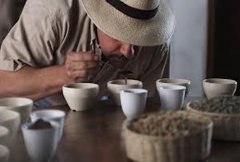
SCAA Coffee Cup testing process introduction to Fine Coffee
1. Fragrance: the first step in cup evaluation is to evaluate the aroma of coffee beans. Grind 10 grams of coffee, put it in 3-5 sample cups, and then breathe hard at the gas released by the freshly crushed coffee cells. The characteristics of the aroma indicate the essence of the taste of coffee beans: the sweet smell indicates that its taste is sour; the pungent smell indicates that its taste is irritating. The power of aroma

Six steps of coffee tasting General knowledge of fine coffee
Coffee tasting has six steps to describe the aroma, aroma, taste, smell, aftertaste and mellowness of coffee. 1. Fragrance: the first step in tasting is to evaluate the aroma of coffee beans. Grind 8.25 grams of coffee, put it in 3-5 sample cups, and then breathe hard at the gas released by the freshly crushed coffee cells. The characteristics of the aroma indicate the taste of coffee beans.

The main components of coffee caffeine tannic acid fat protein sugar fiber mineral flavor
Caffeine: caffeine is the best known of all the ingredients in coffee. It is a kind of phytoxanthin (animal muscle component). It has the same properties as theobromine in cocoa and theophylline in green tea, the percentage of reduction after baking is very small, and the effect of caffeine is very extensive. will affect the human brain, heart, blood vessels, gastrointestinal, muscle and kidney and other parts, the right amount of coffee

Coffee professional cup testing, learning and tasting high-quality coffee
1. Fragrance: the first step in cup evaluation is to evaluate the aroma of coffee beans. Grind 10 grams of coffee, put it in 3-5 sample cups, and then breathe hard at the gas released by the freshly crushed coffee cells. The characteristics of the aroma indicate the essence of the taste of coffee beans: the sweet smell indicates that its taste is sour; the pungent smell indicates that its taste is irritating. The power of aroma
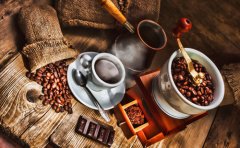
There are six steps in coffee cup evaluation.
There are six steps in coffee cup evaluation, describing the aroma, aroma, taste, smell, aftertaste and mellowness of coffee.
The composition of coffee
Caffeine: caffeine is the most eye-catching of all the ingredients in coffee. It belongs to a kind of phytoxanthine (animal muscle component) and has the same properties as theobromine in cocoa and theophylline in green tea. The percentage of reduction after baking is very small, and the effect of caffeine is very extensive. It will affect the brain, heart, blood vessels, gastrointestinal tract, muscles and kidneys of the human body, and the right amount of caffeine will